
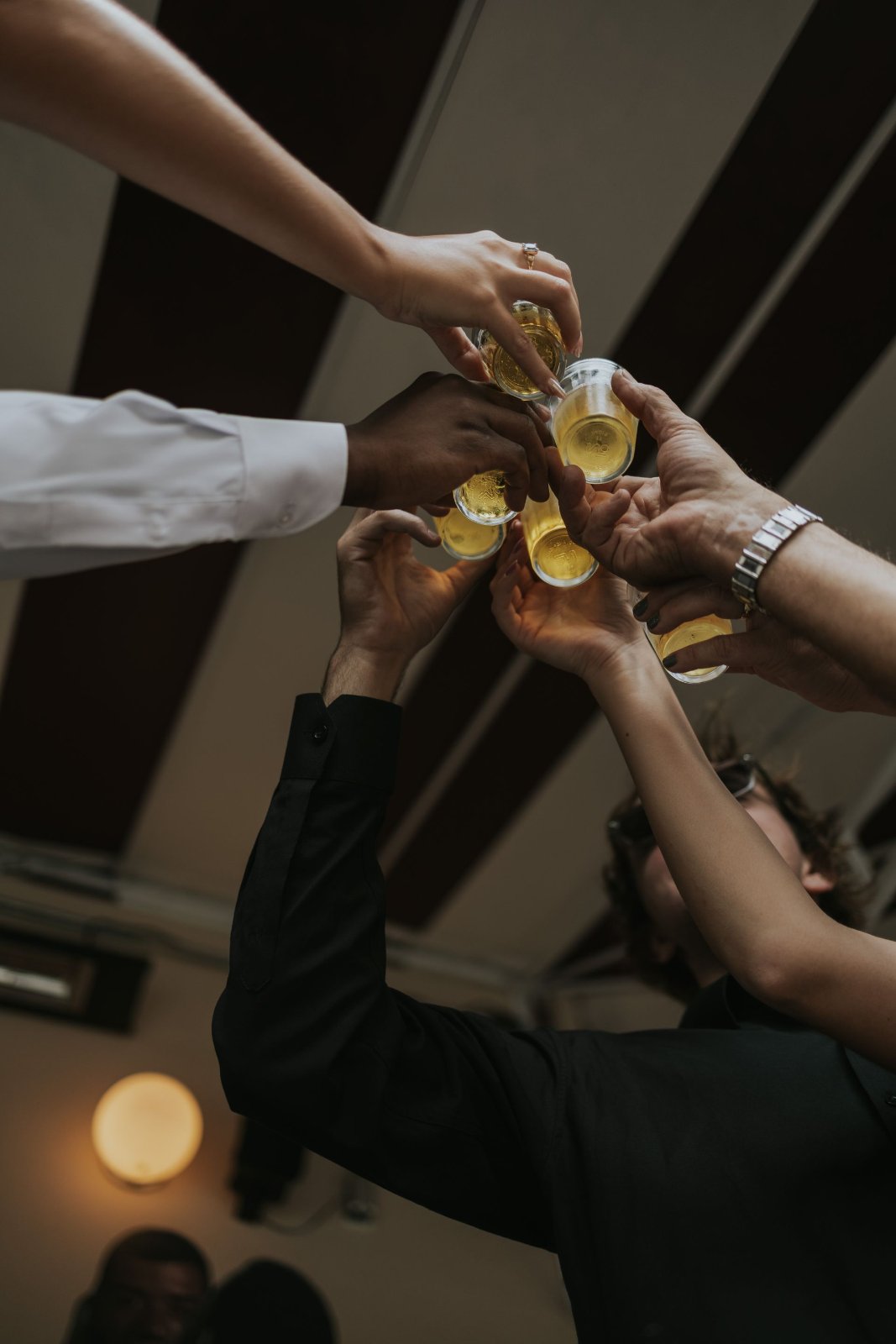
If you’ve ever wondered why a night out on a bar crawl feels so much more exhilarating than sitting at a single venue all evening, science now has a compelling answer. Recent research in neuroscience, behavioral psychology, and social dynamics has begun to unpack exactly which elements of bar crawls trigger the most significant dopamine release and sustained enjoyment compared to stationary drinking experiences. The findings are fascinating — and if you’re in Houston, TX, they make a strong case for lacing up your walking shoes and exploring the city’s vibrant nightlife scene in a whole new way.
In this article, we’ll break down the latest scientific insights, explain the neurological mechanisms at play, and show you how companies like Barcrawlerz are leveraging these principles to create unforgettable nights out in Houston’s legendary entertainment districts. Whether you’re a casual weekend warrior or a nightlife enthusiast, understanding the science behind why bar crawls feel so good will change the way you plan your evenings forever.
Understanding Dopamine: The Neurological Foundation of a Great Night Out
Before diving into the specifics of bar crawl science, it’s essential to understand what dopamine actually does. Dopamine is a neurotransmitter — a chemical messenger in the brain — that plays a central role in motivation, reward, and pleasure. Contrary to popular belief, dopamine isn’t simply released when you experience pleasure; it’s most powerfully triggered by anticipation of reward and the experience of novelty.
This distinction is crucial. The dopamine system evolved to drive us toward new, potentially rewarding experiences. When something is predictable and familiar, dopamine release is minimal. But when the brain detects novelty, variety, and the prospect of an upcoming reward, dopamine floods the system — creating feelings of excitement, motivation, and heightened enjoyment.
The Anticipation Effect: Why “What’s Next?” Matters More Than “What’s Now”
Research from neuroscientist Wolfram Schultz and colleagues at Cambridge has demonstrated that dopamine neurons fire most intensely not when a reward is received, but when a reward is expected. This “prediction error” mechanism means that the brain is constantly scanning for cues that signal upcoming positive experiences.
In the context of a bar crawl, this translates directly into sustained excitement. Every time you leave one venue and anticipate the next stop, your brain’s dopamine system activates. The question “What will the next bar be like?” creates a neurological loop of anticipation and reward that simply cannot be replicated by sitting in one place all night.
“The brain doesn’t just reward you for experiencing something good — it rewards you most powerfully for expecting something good. Bar crawls are essentially a masterclass in engineering that anticipation cycle repeatedly throughout a single evening.”
Key Bar Crawl Elements That Trigger the Strongest Dopamine Response
Recent studies have identified several specific elements of bar crawl experiences that are particularly effective at stimulating dopamine release and sustaining enjoyment over the course of an evening. Let’s explore each one in detail.
1. Novelty and Environmental Variety
One of the most well-documented dopamine triggers is novelty — encountering something new and unexpected. A 2019 study published in the journal Neuron confirmed that novel stimuli activate the substantia nigra and ventral tegmental area (VTA) of the brain, the primary dopamine-producing regions. The more novel the stimulus, the stronger the dopamine response.
When you move from bar to bar on a crawl, you’re constantly exposing yourself to new environments: different lighting, music, décor, crowd energy, cocktail menus, and atmospheres. Each new venue represents a fresh burst of novelty, triggering a corresponding dopamine release. In contrast, a stationary venue quickly becomes familiar, causing dopamine levels to plateau — a phenomenon neuroscientists call “hedonic adaptation.”
Houston is particularly well-suited to this dynamic. The city’s nightlife spans dramatically different neighborhoods and venue styles, from the electric energy of Washington Avenue to the eclectic bars of Midtown and the upscale lounges of Montrose. A well-designed Houston bar crawl can take participants through multiple distinct atmospheres in a single evening, maximizing that novelty-driven dopamine cycle.
2. Social Bonding and Group Dynamics
Humans are fundamentally social creatures, and the neurochemistry of social bonding is deeply intertwined with dopamine. Research published in Nature Reviews Neuroscience has shown that positive social interactions — particularly those involving shared experiences and laughter — stimulate dopamine release alongside oxytocin, the bonding hormone.
Bar crawls are inherently social events. The shared experience of navigating from venue to venue, making group decisions about where to go next, and collectively experiencing the highs and surprises of each stop creates a powerful social bonding dynamic. Studies on “shared adversity and reward” suggest that when a group experiences something together — whether it’s a surprisingly amazing cocktail or a hilariously themed dive bar — the shared nature of that experience amplifies the positive neurological response for everyone involved.
Barcrawlerz, Houston’s premier bar crawl organizer, has built their entire model around this principle. By organizing structured crawls that bring together both friend groups and strangers, they create the conditions for maximum social dopamine activation. Participants frequently report that meeting new people during the crawl is one of the most memorable and enjoyable aspects of the experience.
3. Gamification and Goal-Oriented Structure
Another powerful dopamine trigger identified in recent behavioral research is the presence of goals, challenges, and rewards — in other words, gamification. A 2020 study from Stanford’s Persuasive Technology Lab found that even simple goal structures significantly increase dopamine-driven motivation and sustained engagement.
Many modern bar crawls incorporate gamification elements: passport-style cards that get stamped at each venue, drink challenges, trivia competitions between stops, or scavenger hunt elements. These structures create a series of small, achievable goals throughout the evening. Each time a goal is met — another stamp in the passport, another challenge completed — the brain releases a small dopamine reward, keeping energy and enthusiasm high throughout the night.
This is a key differentiator from stationary drinking. When you’re at a single bar, there’s no progression, no series of goals, and no sense of achievement. The evening simply passes. Bar crawls, by contrast, create a narrative arc with multiple reward checkpoints — a structure that’s neurologically optimized for sustained enjoyment.
4. Physical Movement and Moderate Exercise
Here’s a bar crawl benefit that often gets overlooked: walking. The physical act of moving between venues isn’t just a logistical necessity — it’s a genuine neurological enhancer. Exercise, even at moderate levels like brisk walking, stimulates the release of dopamine, serotonin, and endorphins. Research from the University of California, Davis, has shown that even short bouts of physical activity can significantly elevate mood and cognitive engagement.
When you walk between bars on a crawl, you’re giving your brain a natural reset — clearing the neurological slate, so to speak — before entering the next venue. This means you arrive at each new stop with a refreshed capacity to enjoy it. In a stationary venue, there’s no such reset mechanism; the environment remains constant and the brain’s novelty-detection systems gradually disengage.
In Houston, this walking dynamic adds another layer of enjoyment. The city’s entertainment districts are designed for pedestrian exploration. Walking down a lively stretch of Main Street, passing through the vibrant streets of the Heights, or exploring the restaurant and bar clusters of EaDo creates its own kind of sensory stimulation — street performers, food aromas, architectural variety — all of which contribute to the overall dopamine-rich experience.
5. Controlled Unpredictability and Surprise Elements
Research in behavioral economics has established a concept known as “variable reward schedules” — the idea that unpredictable rewards are more powerfully motivating than predictable ones. This is the same principle behind slot machines, and it explains why surprise elements in a bar crawl are so neurologically effective.
When a bar crawl includes surprise venues, unexpected entertainment, or spontaneous experiences, it activates the brain’s reward prediction system in a heightened way. The uncertainty of “I don’t know exactly what the next stop will be like” keeps dopamine levels elevated in a way that a fully predictable evening cannot.
Barcrawlerz incorporates this principle into their Houston crawl designs by including at least one or two “surprise” elements per crawl — whether that’s an unexpected themed venue, a pop-up performer, or a special drink exclusive to crawl participants. This controlled unpredictability is a key reason their participants consistently report higher enjoyment levels compared to self-organized nights out.
The Neuroscience of Stationary Drinking: Why One Bar Can’t Compete
To fully appreciate what bar crawls offer neurologically, it’s worth examining what happens in the brain during a typical stationary drinking evening. The science here is equally illuminating — though perhaps less flattering for the traditional “pick a bar and stay all night” approach.
Hedonic Adaptation: The Brain’s Diminishing Returns Problem
Hedonic adaptation is the brain’s tendency to normalize pleasurable stimuli over time. When you first arrive at a bar, everything is relatively fresh: the music, the ambiance, the crowd. But as the evening progresses and the environment remains constant, your brain’s novelty-detection systems progressively disengage. Dopamine release diminishes. The experience that felt exciting at 8 PM feels routine by 10 PM.
This isn’t a personal failing — it’s neurobiology. The brain is wired to prioritize new information and deprioritize familiar stimuli. A stationary drinking environment, no matter how excellent, will inevitably trigger this adaptation response.
Social Stagnation in Fixed Venues
Research on social dynamics in fixed venues also reveals a limitation: the social circle tends to remain static throughout the evening. You meet the same people, have variations of the same conversations, and the social novelty that drives dopamine release gradually diminishes. Bar crawls, by contrast, introduce new social contacts at each venue — continuously refreshing the social novelty component of the experience.
The Absence of Narrative Structure
Psychologist Mihaly Csikszentmihalyi’s research on “flow” and optimal experience suggests that humans derive the greatest satisfaction from experiences that have a clear structure, progressive challenges, and a sense of narrative progression. A stationary evening lacks this structure almost entirely. A bar crawl, with its movement from venue to venue and its inherent sense of journey, naturally creates the narrative arc that Csikszentmihalyi identifies as central to peak enjoyment.
Houston’s Unique Advantages for the Ultimate Bar Crawl Experience
Houston, TX is genuinely one of the best cities in America for bar crawl experiences, and not just because of the sheer number of excellent venues. The city’s layout, culture, and nightlife diversity create conditions that are almost perfectly aligned with the neurological principles we’ve been discussing.
Neighborhood Diversity Creates Maximum Novelty
Houston’s entertainment districts are remarkably distinct from one another. Washington Avenue offers high-energy clubs and sports bars. Midtown blends rooftop lounges with laid-back neighborhood pubs. Montrose is home to eclectic, artsy venues with unique themes and creative cocktail programs. The Heights features a more relaxed, community-oriented bar scene. EaDo is Houston’s emerging arts and entertainment district with an edgy, innovative energy.
Moving between these districts — or even between different venues within a single district — provides the kind of dramatic environmental variety that maximizes novelty-driven dopamine release. Each neighborhood has its own distinct personality, ensuring that the brain’s novelty-detection systems remain highly active throughout the crawl.
Houston’s Food Culture Adds Another Dimension
Houston is consistently ranked among America’s top food cities, and many of the city’s best bars are adjacent to or integrated with exceptional food offerings. This matters neurologically because taste experiences are among the most powerful dopamine triggers. A bar crawl in Houston that incorporates food stops — whether it’s late-night tacos, craft bar snacks, or Houston’s famous Vietnamese-Cajun fusion — adds an additional layer of sensory variety and reward to the experience.
The Social Culture of Houston Nightlife
Houstonians are famously friendly and socially open — a cultural characteristic that significantly enhances the social bonding aspects of bar crawls. Research on social dopamine release suggests that the ease and warmth of social interactions directly affects the intensity of the neurological reward. In cities where social interactions tend to be more guarded or reserved, the social dopamine benefits of bar crawls are somewhat diminished. Houston’s culture of warmth and openness makes it an ideal environment for the kind of spontaneous social connections that drive the highest levels of bar crawl enjoyment.
How Barcrawlerz Applies These Scientific Principles in Houston
Barcrawlerz has emerged as Houston’s leading bar crawl organizer precisely because their approach aligns so closely with the neurological and psychological principles outlined in this article. Whether intentionally or intuitively, they’ve built their crawl experiences around the elements that science identifies as most effective for dopamine activation and sustained enjoyment.
Curated Venue Sequences for Maximum Novelty Progression
Rather than randomly stringing venues together, Barcrawlerz carefully sequences their stops to create a deliberate progression of novelty and atmosphere. Crawls typically move through venues with distinct personalities — starting with accessible, high-energy stops to build social momentum, progressing through more unique or thematic venues to sustain novelty, and often culminating at a venue with a particularly special atmosphere or exclusive offering for crawl participants.
Exclusive Perks That Enhance the Reward Structure
Barcrawlerz negotiates exclusive perks at each participating venue — special drink prices, complimentary shots, priority entry, or exclusive cocktails only available to crawl participants. These perks serve a dual neurological function: they create tangible rewards at each stop (reinforcing the goal-completion dopamine cycle) and they enhance the sense of being part of a special, privileged experience (which amplifies social identity and belonging, both powerful dopamine drivers).
Community and Social Architecture
One of Barcrawlerz’s most effective design choices is their approach to group composition. By organizing crawls that mix established friend groups with individual participants and smaller groups, they create the optimal social environment for cross-group bonding. This architecture ensures that social novelty — meeting new people, forming new connections — remains available throughout the evening, continuously refreshing the social dopamine component of the experience.
Themed Crawls and Gamification Elements
Barcrawlerz regularly organizes themed bar crawls — holiday crawls, costume crawls, trivia crawls — that incorporate the gamification elements research identifies as particularly effective for sustained engagement. The theme creates a shared identity among participants (enhancing social bonding) while the game-like structure provides the series of goals and rewards that keep dopamine levels consistently elevated throughout the evening.
Practical Tips for Maximizing Your Bar Crawl Dopamine Experience in Houston
Understanding the science is one thing; applying it to your next night out is another. Here are some evidence-based strategies for getting the most neurological enjoyment out of your next Houston bar crawl.
Embrace the Unknown: Resist the Urge to Over-Research
While it’s smart to know the general route and have safety information, resist the temptation to research every venue in detail before the crawl. Allowing each new stop to surprise you preserves the novelty response and keeps dopamine levels higher. Let the anticipation of discovery be part of the experience.
Engage Actively with New People
The social bonding benefits of bar crawls are only realized if you actually engage with the people around you. Make a conscious effort to introduce yourself to at least one new person at each venue. The neurological rewards of genuine social connection are among the most powerful available during a bar crawl experience.
Pace Yourself Strategically
Alcohol itself affects dopamine systems — initially enhancing dopamine release but ultimately suppressing it with overconsumption. Research suggests that moderate, consistent drinking across multiple venues produces a more sustained and enjoyable dopamine profile than rapid or heavy drinking at a single stop. The bar crawl format naturally encourages this more moderate pace, which is another neurological advantage over stationary drinking.
Stay Present and Minimize Phone Use
Neuroscience research on attention and dopamine consistently shows that divided attention reduces the intensity of experiential rewards. When you’re scrolling your phone instead of engaging with your environment and companions, you’re literally reducing your dopamine response to the experience. Put the phone away (except for photos) and let yourself be fully present at each venue.
Choose Organized Crawls Over DIY When Possible
While DIY bar crawls can be fun, organized crawls like those offered by Barcrawlerz remove the logistical friction that can dampen enjoyment. When you’re not worried about where to go next, negotiating entry, or managing the group’s decision-making, you’re free to fully engage with the experience itself. This reduction in cognitive load allows more mental bandwidth for the enjoyment and social engagement that drive dopamine release.
The Future of Bar Crawl Science: Emerging Research and Trends
The intersection of neuroscience and nightlife experience design is a genuinely emerging field. As our understanding of dopamine systems, social neuroscience, and experiential psychology deepens, we’re likely to see increasingly sophisticated applications in how bar crawls and nightlife experiences are designed.
Researchers are currently exploring how factors like music tempo transitions between venues, lighting changes, and even olfactory stimulation (scent) contribute to the neurological experience of moving through different environments. Early findings suggest that thoughtful management of these sensory dimensions can significantly enhance the dopamine response at each venue transition — information that forward-thinking bar crawl organizers like Barcrawlerz are already beginning to incorporate into their experience design.
There’s also growing interest in the social neuroscience of “shared novel experiences” — research suggesting that experiencing something genuinely new alongside others creates stronger social bonds and more intense positive memories than familiar experiences shared with others. This finding has significant implications for bar crawl design, suggesting that introducing genuinely novel elements (not just different-but-familiar bars) can dramatically enhance both the in-the-moment dopamine response and the lasting positive memory of the experience.
Conclusion: The Science Strongly Favors the Bar Crawl
The evidence is clear and compelling. Bar crawls aren’t just a fun alternative to stationary drinking — they’re a neurologically superior way to experience a night out. By continuously triggering the brain’s novelty-detection systems, creating repeated anticipation-reward cycles, facilitating social bonding through shared experience, incorporating physical movement, and providing goal-oriented structure, bar crawls engage the dopamine system in a sustained, multi-layered way that a single venue simply cannot match.
For Houstonians, this science translates into an extraordinary opportunity. The city’s diverse neighborhoods, vibrant nightlife culture, world-class bar and food scene, and famously friendly social atmosphere create ideal conditions for the kind of dopamine-rich bar crawl experience that research describes. And with organizations like Barcrawlerz designing and facilitating these experiences with increasing sophistication, the bar — quite literally — continues to rise.
So the next time someone asks why bar crawls feel so much more alive than a regular night out, you’ll have a complete answer. It’s not just the drinks, the company, or the venues. It’s your brain, doing exactly what it was designed to do: seeking novelty, anticipating reward, connecting with others, and finding joy in the journey from one extraordinary experience to the next.
Ready to experience the science for yourself? Check out Barcrawlerz for upcoming Houston bar crawl events and let your dopamine system lead the way through one of America’s most exciting nightlife cities.