
The Science Behind Alcohol Pacing and Why Amateur Bar Crawlers Consistently Misjudge Their Drink Timing
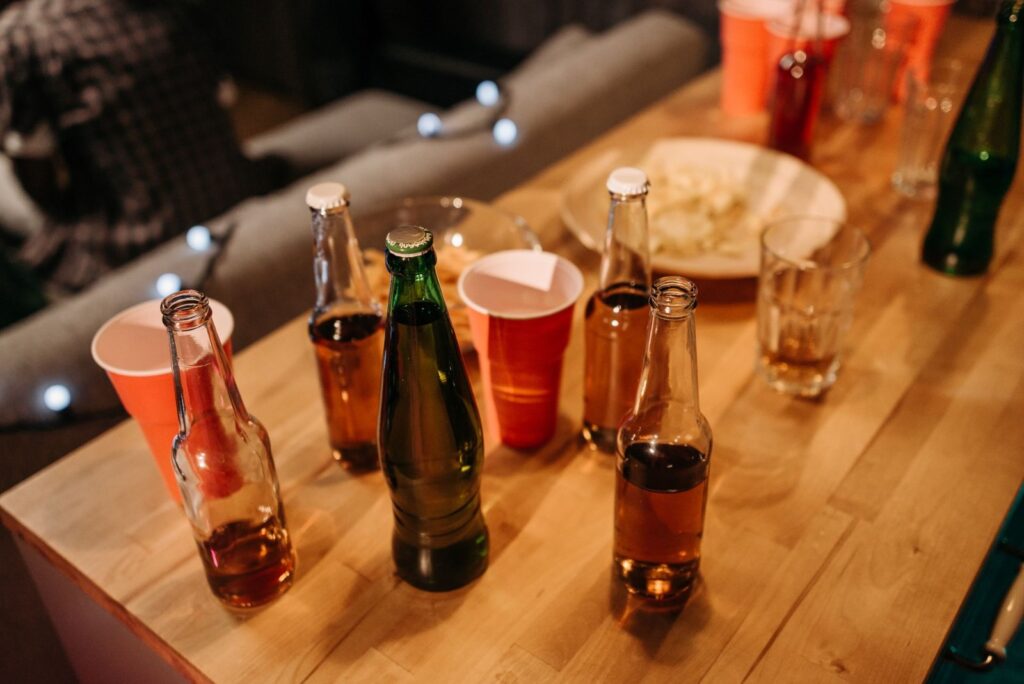
Houston knows how to have a good time. From the buzzing streets of Midtown to the lively corridors of Washington Avenue, the city’s bar scene is nothing short of legendary. But if you’ve ever joined a bar crawl and watched someone go from zero to “definitely-done” in just two stops, you’ve witnessed one of the most fascinating — and occasionally cringe-worthy — phenomena in social drinking culture: the complete and utter misjudgment of alcohol pacing.
It’s not just bad decision-making. There’s actual science behind why so many people, especially those newer to the bar crawl experience, consistently overestimate their tolerance and underestimate how quickly alcohol is affecting their bodies. And once you understand the mechanics, you’ll be far better equipped to enjoy a full night out the right way — savoring every stop, every conversation, and every craft cocktail along the way.
Whether you’re a seasoned Houstonian who’s done the East Downtown circuit a dozen times or a first-timer looking to explore the city’s nightlife with friends, this guide is for you. Let’s dig into the real science of alcohol pacing, why amateur bar crawlers get it wrong so often, and how smarter choices lead to genuinely better nights out.
Understanding How Your Body Processes Alcohol
Before we can talk about pacing, we need to understand what’s actually happening inside your body when you take that first sip. Alcohol, or ethanol, is a central nervous system depressant. But here’s the thing — it doesn’t hit you all at once, and it doesn’t leave your system all at once either. The process is a lot more nuanced than most people realize.
Absorption: The First Phase
When you drink, alcohol is absorbed primarily through the small intestine, with a smaller amount absorbed through the stomach lining. The speed of absorption depends on several factors including what you’ve eaten, your body weight, your biological sex, and even your genetic makeup. On an empty stomach, alcohol can reach your bloodstream in as little as 30 minutes. With food in your system, that window extends significantly.
Here’s where the trouble starts for bar crawlers: alcohol continues to be absorbed even after you’ve stopped drinking. So that second drink you tossed back quickly because you “didn’t feel anything yet”? It’s still making its way into your bloodstream. And by the time it does, you might already be on your third drink, compounding the effect dramatically.
Metabolism: The Rate Your Body Can Handle
Your liver is the primary organ responsible for metabolizing alcohol. On average, the liver can process roughly one standard drink per hour. A “standard drink” in the United States is defined as 14 grams of pure alcohol — that’s about 12 ounces of regular beer, 5 ounces of wine, or 1.5 ounces of distilled spirits.
The key word here is average. This rate doesn’t speed up just because you want it to. Drinking coffee, eating food, or taking a cold shower doesn’t accelerate metabolism — those are myths. Your liver works at its own pace, and no amount of wishful thinking changes that biochemical reality.
“The liver metabolizes alcohol at a fixed rate of approximately one standard drink per hour, regardless of body size, hydration, or any folk remedies. This rate cannot be significantly altered by external factors.”
Blood Alcohol Concentration: The Number That Matters
Blood Alcohol Concentration, or BAC, is the percentage of alcohol in your bloodstream. A BAC of 0.08% is the legal limit for driving in Texas and most of the United States. But impairment begins well before that threshold — as early as 0.02% to 0.03%, you may start experiencing relaxation, mild euphoria, and slightly impaired judgment.
What makes BAC tricky is that it rises faster than most people expect and stays elevated longer than they’d like. And because the effects of alcohol include reduced self-awareness and impaired judgment, the very tool you’d use to assess whether you’re okay — your own brain — is compromised by the substance you’re trying to evaluate.
Why Bar Crawls Create a Perfect Storm for Misjudgment
A bar crawl is one of the most social, exciting, and genuinely fun ways to explore a city’s nightlife. In Houston, organized experiences like those offered by Barcrawlerz bring together groups of people to visit multiple venues in a single evening, often with deals, themed stops, and a built-in social atmosphere that makes the whole thing feel like an event rather than just a night of drinking.
But the structure of a bar crawl — moving from place to place, socializing, often drinking on a schedule — creates a uniquely challenging environment for pacing. Here’s why.
The Social Acceleration Effect
When you’re in a group, especially a large and enthusiastic one, social pressure — even the unspoken, well-intentioned kind — can lead you to drink faster. Someone hands you a shot at the first stop. Everyone’s ordering at the bar and you don’t want to be the last one without a drink. The energy is high, the music is loud, and you’re having the time of your life in a cool Houston bar you’ve never been to before.
All of these factors contribute to what researchers sometimes call “social facilitation of drinking” — the tendency to consume alcohol faster and in greater quantities when surrounded by others who are doing the same. It’s not weakness; it’s human psychology doing what it evolved to do in social settings.
The Delayed Feedback Loop
Alcohol’s effects don’t hit instantaneously. There’s a lag — sometimes as long as 20 to 30 minutes — between when you consume a drink and when you feel its full effect. On a bar crawl, this lag is particularly dangerous because you’re constantly moving, constantly stimulated, and often drinking at the beginning of each new stop before the effects of the previous stop have fully registered.
By the time you’re at stop three or four, your body may be processing alcohol from stops one and two simultaneously. The cumulative effect can be sudden and surprising, especially for people who aren’t used to drinking across multiple venues over an extended period.
The Novelty Distraction
Houston’s bar scene is genuinely captivating. Whether you’re in the Heights checking out a craft cocktail lounge or somewhere along the Buffalo Bayou enjoying a rooftop bar with a skyline view, the novelty of each new environment keeps your mind stimulated and distracted. And distraction is the enemy of self-monitoring.
When you’re engaged in conversation, dancing, or taking in a new environment, you’re not checking in with your body. You’re not noticing the slight heaviness in your limbs or the way your thoughts are moving a bit slower. By the time you do notice, you may have already had two or three drinks past your ideal stopping point.
Common Mistakes Amateur Bar Crawlers Make With Drink Timing
Let’s get specific. Here are the most common timing mistakes that trip up first-timers and even some experienced bar crawlers in Houston and beyond.
Mistake #1: Front-Loading the Night
This is perhaps the most common error. Someone arrives at the first stop excited and ready to have a great time, so they drink quickly to “get the night started.” Maybe they have two drinks at the first bar, two at the second, and then wonder why they’re struggling by stop three.
The math is simple but the experience is anything but. If you consume two drinks in the first hour, your BAC rises faster than your liver can compensate. By the time you’re at bar two, you’re still processing bar one’s drinks while adding more to the queue. The cumulative effect compounds rapidly.
Mistake #2: Drinking on an Empty Stomach
Houston has incredible food — from Tex-Mex to Vietnamese, the culinary scene is as rich as the nightlife. Yet many bar crawlers skip dinner or eat very little before heading out, thinking it’ll help them feel the effects faster or save room for drinks. This is a classic error.
Food — particularly foods high in fat and protein — slows the absorption of alcohol into your bloodstream. Eating a solid meal before or during a bar crawl isn’t just smart; it’s one of the most effective tools for managing your pace. A full stomach can reduce peak BAC by as much as 50% compared to drinking on an empty stomach.
Mistake #3: Ignoring Hydration
Alcohol is a diuretic, meaning it causes your body to expel more fluid than you’re taking in. Houston’s heat and humidity — even in the evening — exacerbate this effect. Dehydration doesn’t just make you feel terrible the next morning; it intensifies the effects of alcohol in real time, making you feel more impaired than your BAC might otherwise suggest.
The simple fix? Alternate alcoholic drinks with water. It sounds almost too obvious, but it’s one of the most effective strategies for sustaining a comfortable pace throughout a long night out. Many experienced bar crawlers make it a personal rule: one glass of water for every alcoholic drink.
Mistake #4: Misjudging Drink Strength
Not all drinks are created equal, and this is especially relevant in Houston’s craft cocktail scene. A beautifully presented cocktail at a trendy Montrose bar might contain two or even three shots of spirits, while looking and tasting like a light, refreshing beverage. Similarly, craft beers can range from 4% ABV to well over 10%.
When you’re bar crawling and ordering different drinks at different venues, it’s easy to lose track of how much actual alcohol you’ve consumed. A helpful mental model: always try to estimate the number of “standard drinks” you’ve had, not the number of physical drinks.
Mistake #5: Underestimating the Cumulative Timeline
A typical bar crawl in Houston might span four to six hours and visit five to eight venues. That’s a long time, and the math can sneak up on you. If you have just one drink per stop, you’ve had five to eight drinks over the course of the evening. At one standard drink per hour of metabolism, your body is still processing alcohol well into the night — and potentially into the early morning hours.
Amateur bar crawlers often think in terms of individual stops rather than the entire evening as a single, continuous drinking session. Shifting to that longer view is one of the most important mental adjustments you can make.
The Psychology of Impaired Self-Assessment
Here’s the cruel irony at the heart of alcohol pacing: the substance you’re trying to monitor also impairs your ability to monitor it. This isn’t a character flaw — it’s neuroscience.
The Dunning-Kruger Effect and Alcohol
You may have heard of the Dunning-Kruger effect — the psychological phenomenon where people with limited knowledge or skill in a particular area overestimate their competence. Alcohol creates a similar dynamic in real time. As BAC rises, the prefrontal cortex — the part of your brain responsible for judgment, planning, and self-assessment — becomes progressively impaired.
The result? The more you’ve had to drink, the more confident you often feel about your ability to handle more drinking. It’s a self-reinforcing loop that requires external checks to break. This is one reason why having a trusted friend or a structured experience like a guided bar crawl can be genuinely helpful — external accountability compensates for diminished internal awareness.
Euphoria as a False Signal
The early stages of alcohol consumption are often characterized by euphoria, increased sociability, and a general sense of well-being. These feelings are real — they’re produced by alcohol’s effect on dopamine and serotonin systems in the brain. But they’re also misleading.
Many people interpret the euphoric phase as a signal that they’re “good” and can keep drinking at the same rate. In reality, that euphoria is a sign that your BAC is already rising and your brain chemistry is already being altered. The party feeling is the beginning of impairment, not a green light for more.
“Feeling great after a few drinks is not evidence that you’re handling alcohol well — it’s evidence that your brain’s reward systems are responding to it. The very feeling that makes you want more is a sign to start paying attention.”
Smart Pacing Strategies for Houston Bar Crawls
Now for the good stuff — practical, science-backed strategies that will help you enjoy every single stop on your bar crawl without burning out early or feeling terrible the next day.
The One-Per-Hour Rule
Given that your liver processes roughly one standard drink per hour, the simplest pacing strategy is to aim for no more than one drink per hour. On a bar crawl, this might mean having one drink at each stop if the stops are roughly an hour apart, or skipping a round at some venues if the pace is faster.
This doesn’t mean you have to be the person nursing a drink in the corner while everyone else has fun. It means being intentional about your ordering and giving yourself permission to sip slowly and enjoy the environment rather than rushing to keep up.
The Water Anchor Strategy
At every stop, order a glass of water alongside your alcoholic drink. Drink the water first, or alternate sips. This serves multiple purposes: it slows your drinking pace naturally, keeps you hydrated, helps your liver function more efficiently, and gives you something to hold and sip during conversations without feeling like you need to finish your drink quickly.
In Houston’s warm climate, this strategy is especially valuable. Even on a mild evening, moving between bars — often on foot or with brief outdoor stretches — can dehydrate you faster than you’d expect.
Eat Before and During the Crawl
Make dinner part of the plan, not an afterthought. Houston’s culinary scene means you’re never far from a great meal. Many organized bar crawl experiences, including those run by Barcrawlerz, are designed with food options or food-friendly stops in mind. Take advantage of those opportunities. A good meal before you start and snacks along the way can significantly moderate your absorption rate and help you maintain a comfortable, enjoyable pace all night long.
Set a Personal Drink Limit Before You Start
Before the night begins — while your judgment is fully intact — decide on a personal drink limit for the evening. Write it down in your phone if that helps. Tell a friend. The point is to make the decision when you’re sober, not when you’re three drinks in and your prefrontal cortex is already compromised.
A reasonable limit for most adults on a multi-hour bar crawl might be four to six standard drinks spread across the entire evening. Adjust based on your own body, experience, and comfort level.
Designate a Pace-Setter in Your Group
If you’re going out with friends, consider designating someone — or rotating the role — as the group’s unofficial pace-setter. This person keeps an eye on how quickly everyone is drinking, suggests water breaks, and gently redirects the group if things are moving too fast. It sounds more formal than it needs to be; in practice, it’s just one person occasionally saying “hey, let’s grab some water before the next round.”
Embrace the Non-Alcoholic Options
Houston’s bar scene has evolved significantly, and many venues now offer genuinely excellent non-alcoholic cocktails, mocktails, and craft sodas. There’s absolutely no shame in ordering a non-alcoholic drink at one stop to give your body a break. In fact, it’s one of the smartest things you can do on a long crawl. The goal is to enjoy the full experience — the venues, the people, the atmosphere — not to maximize alcohol consumption.
How Organized Bar Crawls Help You Pace Better
One of the underappreciated benefits of joining a professionally organized bar crawl — like those offered by Barcrawlerz in Houston — is that the structure itself supports better pacing. Rather than wandering from bar to bar without a plan, you have a curated route, a timeline, and a group dynamic that naturally distributes the evening’s activities.
Organized crawls also tend to visit venues that are prepared for groups, which often means faster service and more attentive staff. When bar staff know a crawl group is coming through, they’re better positioned to ensure everyone is having a good time responsibly. The social atmosphere of a guided crawl also provides natural checkpoints — moving to the next venue creates a moment of transition where you can assess how you’re feeling before ordering again.
For first-time bar crawlers in Houston, joining an organized experience is genuinely the best way to learn the rhythms of a long night out. You get the full experience — multiple venues, a great social atmosphere, access to deals — while benefiting from the structure and guidance that helps you avoid the most common pacing mistakes.
The Morning-After Perspective: Why Good Pacing Is Worth It
Let’s talk about the next morning for a moment, because it’s a powerful motivator for better pacing choices the night before.
A hangover is your body’s way of recovering from the physiological stress of alcohol metabolism. Dehydration, inflammation, disrupted sleep, and the buildup of acetaldehyde — a toxic byproduct of alcohol metabolism — all contribute to that miserable morning-after feeling. The severity of a hangover correlates directly with how much you drank and how quickly you drank it.
People who pace well throughout a bar crawl consistently report not just a better experience during the night, but a dramatically better experience the following morning. They wake up feeling like themselves, able to enjoy a Sunday brunch in one of Houston’s many excellent breakfast spots rather than spending the day horizontal with a splitting headache.
Good pacing isn’t about drinking less for the sake of it — it’s about drinking smarter so that the entire experience, from the first stop to the next morning, is genuinely enjoyable.
A Note on Individual Variation
Everything we’ve discussed in this article is based on averages and general principles. It’s worth acknowledging that individual variation is real and significant. Factors including body weight and composition, biological sex, genetic variations in alcohol-metabolizing enzymes, medications, health conditions, and even sleep deprivation can all affect how your body responds to alcohol.
Women, on average, tend to reach higher BAC levels than men of similar weight after consuming the same amount of alcohol, due to differences in body water content and enzyme activity. Someone who is sleep-deprived may feel the effects of alcohol more acutely. Someone on certain medications may have dramatically altered alcohol metabolism.
The most important thing is to know your own body and be honest with yourself about your personal limits. The science provides a framework; your individual experience fills in the details.
Making the Most of Houston’s Bar Crawl Scene
Houston is one of the great bar crawl cities in the country. The sheer diversity of neighborhoods — Midtown, Montrose, the Heights, EaDo, Washington Avenue — means there’s always a new corner of the city’s nightlife to explore. Each area has its own personality, its own vibe, and its own collection of bars and venues that make it worth the visit.
When you approach a bar crawl with the right mindset and the right pacing strategy, you get to actually experience all of that. You’re present for the conversations, the music, the beautiful cocktails, the unexpected connections with new people. You’re not just moving through the night in a blur — you’re actually there for it.
That’s what Barcrawlerz is all about. It’s not just about visiting bars; it’s about creating a genuine, memorable experience of Houston’s nightlife that you’ll actually remember and want to repeat. When you pace well, you can do the full crawl, enjoy every stop, and still feel like a human being the next day.
Final Thoughts: Science Meets Good Times
Understanding the science of alcohol pacing isn’t about taking the fun out of bar crawling — it’s about putting more fun in. When you know how your body processes alcohol, why the lag effect catches so many people off guard, and how the social dynamics of a group crawl can accelerate drinking without anyone meaning for it to happen, you’re armed with the knowledge to make better choices in real time.
The amateur bar crawler who burns out at stop three isn’t having as much fun as the experienced one who paces thoughtfully and makes it through every stop feeling great. The science is clear, the strategies are simple, and Houston’s bar scene is waiting for you to explore it at exactly the right pace.
So eat a good meal, drink some water, set your personal limit before the night starts, and enjoy every single stop. Houston’s nightlife deserves your full, present, well-paced attention — and so do you.