
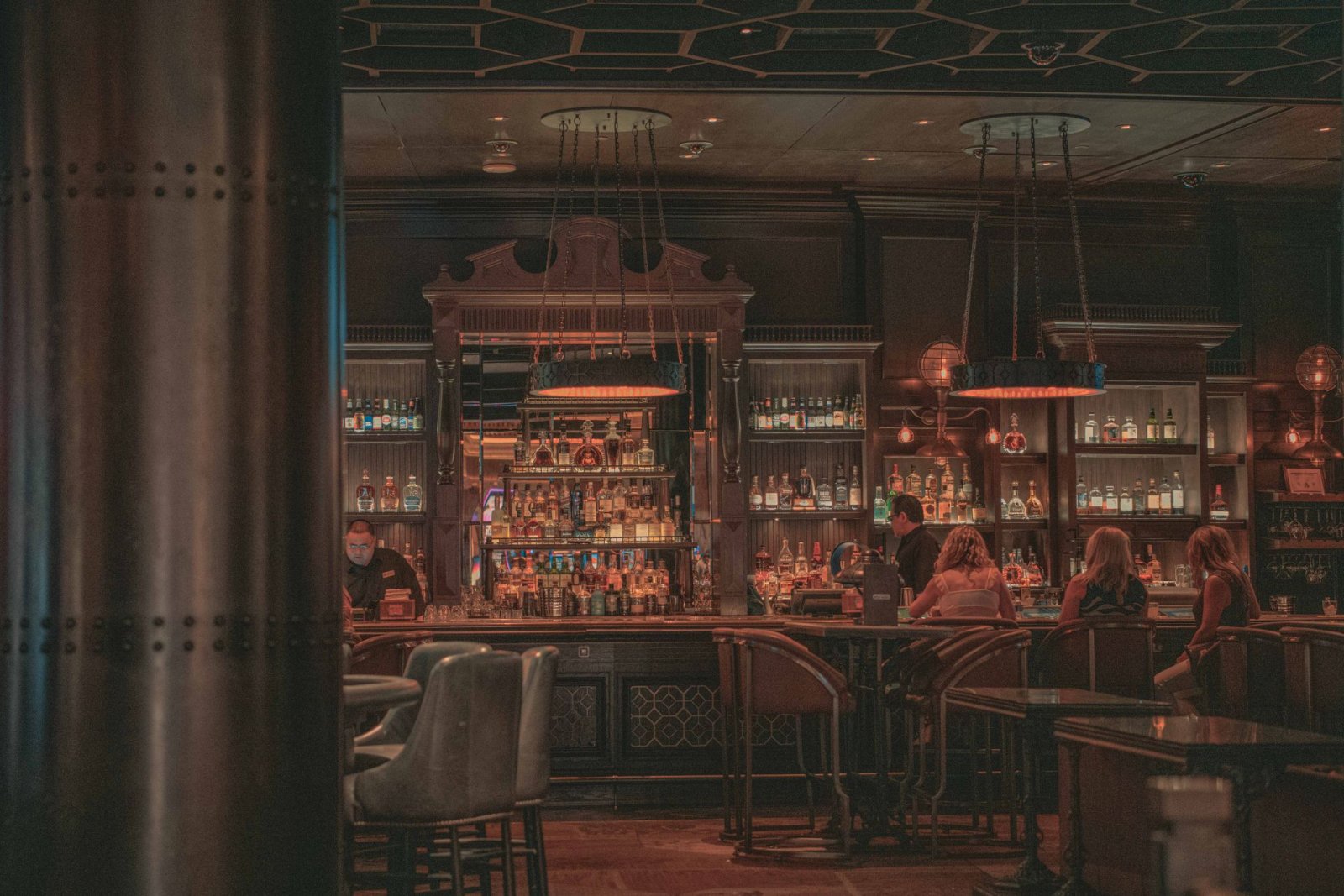
If you’ve ever woken up the morning after a Houston bar crawl feeling like you’ve been run over by a Metro bus, you already know the physical toll a night of bar-hopping can take. But what if we told you that a single night of aggressive bar crawling can set your fitness progress back further than an entire week of sitting on the couch watching Netflix? It sounds extreme, but the science behind alcohol’s impact on the body — combined with the unique physical demands of a bar crawl — paints a surprisingly damaging picture for fitness enthusiasts.
This article isn’t here to rain on anyone’s parade. Houston has a vibrant nightlife scene, and bar crawls are genuinely one of the most social and exciting ways to experience it. Organizations like Barcrawlerz have built incredible community experiences right here in H-Town. But if you’re someone who takes your fitness goals seriously, understanding what really happens to your body during and after a bar crawl is essential knowledge — and it might just change how you approach your next night out.
The Science Behind Alcohol and Muscle Recovery
To understand why bar crawls are so damaging to fitness progress, we first need to understand what alcohol actually does to your muscles, hormones, and metabolism. Most people think of a hangover as just dehydration and a headache. The reality is far more complex and far more damaging to your gains.
Alcohol Suppresses Protein Synthesis
One of the most critical processes for building and maintaining muscle is protein synthesis — the biological mechanism by which your body repairs and grows muscle fibers after exercise. Research published in multiple sports science journals has consistently shown that alcohol consumption significantly suppresses muscle protein synthesis, even when adequate protein is consumed alongside or after drinking.
A study from the Australian Institute for Musculoskeletal Science found that alcohol consumption reduced post-exercise protein synthesis by up to 37%. That means if you hit the gym on Friday, then went on a Houston bar crawl Friday night, you essentially wasted a significant portion of that workout’s recovery benefit. The muscle-building signal your body sent during exercise was chemically muted by the alcohol you consumed hours later.
Testosterone Drops and Cortisol Spikes
Alcohol also disrupts your hormonal balance in ways that are particularly harmful for fitness. Testosterone — critical for muscle growth, fat loss, and overall physical performance — drops measurably after even moderate alcohol consumption. Meanwhile, cortisol, the stress hormone that promotes fat storage and muscle breakdown, spikes in response to alcohol intake.
This hormonal double-whammy creates an environment in your body that is essentially the opposite of what you want for fitness progress. You’re simultaneously suppressing the hormone that builds muscle and elevating the hormone that destroys it. And this effect can persist for 24 to 48 hours after a heavy night of drinking.
Why a Bar Crawl Is Worse Than Just Drinking at Home
Here’s where the bar crawl specifically becomes a unique threat to your fitness. It’s not just the alcohol — it’s the combination of factors that a bar crawl creates that makes it so particularly damaging compared to simply having a few drinks at home.
The Sleep Destruction Factor
Bar crawls in Houston typically run late. Whether you’re hitting the Washington Avenue corridor, Midtown, or the bars around Montrose, you’re rarely wrapping up before midnight — and often much later. This means your sleep schedule takes a massive hit.
Alcohol fundamentally disrupts sleep architecture. While it may help you fall asleep faster, it severely reduces REM sleep — the deep, restorative sleep stage that is critical for muscle recovery, hormone regulation, and cognitive function. A night of bar crawling typically results in both reduced total sleep hours AND reduced sleep quality, creating a compounded recovery deficit that a week of sedentary behavior simply cannot replicate.
“Sleep is the single most important recovery tool available to any athlete or fitness enthusiast. A night of heavy drinking followed by late-night bar crawling can disrupt your sleep cycle for two to three days — effectively wiping out your body’s ability to recover from any training you’ve done that week.”
Dehydration at a Systemic Level
Alcohol is a powerful diuretic. For every alcoholic drink you consume, your body excretes roughly 100-150ml more urine than it takes in. On a bar crawl, where you might consume five, six, or more drinks over the course of several hours, this creates a severe dehydration state that affects every system in your body.
Dehydration reduces muscle strength, impairs coordination, decreases endurance, and slows metabolic function. But more critically for fitness progress, dehydration impairs nutrient transport to muscle cells, meaning that even the protein and carbohydrates you eat in the days following a bar crawl are less efficiently utilized for muscle repair and energy replenishment.
The Caloric Landmine Nobody Talks About
Let’s talk about the caloric impact of a typical Houston bar crawl. A standard night of bar hopping might involve five to eight drinks, each ranging from 150 to 400 calories depending on the cocktail. Add in the late-night Whataburger run that practically comes with the Houston bar crawl experience, and you’re looking at a caloric surplus of 1,500 to 3,000 calories consumed in a single evening — often between 9 PM and 2 AM, when your metabolism is at its slowest.
Alcohol calories are also metabolized differently from food calories. Your body treats alcohol as a toxin and prioritizes its metabolism above everything else, meaning fat burning essentially stops while alcohol is in your system. Any dietary fat consumed alongside alcohol is almost entirely stored rather than burned.
Comparing the Damage: Bar Crawl vs. Sedentary Week
This is the comparison that surprises most people. How can one night out possibly be worse than seven days of no physical activity? Let’s break it down systematically.
What a Sedentary Week Actually Does to Your Body
A week of reduced activity — say, skipping the gym due to a busy work schedule or a minor illness — is less damaging than most people fear. Research shows that muscle mass begins to decline meaningfully only after approximately two weeks of complete inactivity. During a single sedentary week, your cardiovascular fitness may dip slightly, but your muscles retain their strength and size almost entirely.
Your sleep remains intact. Your hormones stay balanced. Your protein synthesis continues at its normal rate. Your hydration levels are healthy. In short, a week of couch time is a missed opportunity, but it doesn’t actively tear down the progress you’ve built.
What a Single Bar Crawl Does to Your Body
A single heavy bar crawl, by contrast, actively damages your fitness progress across multiple dimensions simultaneously. Within 24 hours of a heavy bar crawl in Houston, your body is experiencing:
Suppressed protein synthesis that lasts 24-48 hours, meaning muscle repair from recent workouts is significantly impaired. Hormonal disruption with low testosterone and high cortisol persisting for one to two days. Severe dehydration impairing cellular function and nutrient delivery. Disrupted sleep architecture reducing recovery quality for two to three nights. A significant caloric surplus that, combined with suppressed fat metabolism, leads to measurable fat gain. Inflammation throughout the body that mimics and compounds the inflammation from exercise, making training in the days following feel harder and less productive.
When you add all of these factors together, the cumulative damage from a single bar crawl genuinely exceeds the passive deconditioning that occurs during a week of sedentary behavior. You’re not just missing progress — you’re actively losing it.
The Houston Bar Scene and Fitness Culture: Finding Balance
Houston is a city that loves to celebrate, and there’s no shortage of opportunities to do so. The city’s diverse neighborhoods — from the Energy Corridor to EaDo — offer a nightlife scene that’s hard to match. And let’s be honest: bar crawls are genuinely fun. The social connection, the exploration of new venues, the shared experience with friends — these things have real value for mental health and quality of life.
Companies like Barcrawlerz have done an excellent job of creating organized, safe, and genuinely memorable bar crawl experiences throughout Houston. Their events bring people together in a structured way that maximizes the social fun while keeping things manageable. The goal here isn’t to demonize bar crawls — it’s to help you make informed decisions about how to fit them into a fitness-focused lifestyle.
Strategies to Minimize Fitness Damage on a Bar Crawl
If you’re going to participate in a Houston bar crawl — and with events like those organized by Barcrawlerz, who could blame you — there are concrete strategies you can use to minimize the fitness fallout.
Hydrate aggressively before and during. Drink a large glass of water before your first drink and aim for at least one glass of water per alcoholic beverage throughout the night. This won’t eliminate the diuretic effect, but it will significantly reduce dehydration severity.
Time your bar crawl strategically. If possible, schedule bar crawls on nights when you don’t have an important workout the following day. Giving yourself a rest day on either side of a big night out gives your body the best chance to recover without sacrificing training quality.
Prioritize protein the day after. Since protein synthesis is suppressed for up to 48 hours, consuming higher-than-normal protein in the days following a bar crawl can help partially offset the deficit. Aim for 1.2 to 1.6 grams of protein per pound of bodyweight on recovery days.
Choose lower-calorie drink options. Light beers, spirits with soda water, or dry wines are significantly lower in calories than cocktails. On a bar crawl where you’re consuming multiple drinks, these choices can reduce your caloric intake by 500 to 1,000 calories over the course of the night.
Skip the late-night fast food. This is the hardest one, especially in Houston where late-night food options are legendary. But avoiding the post-crawl meal eliminates one of the biggest contributors to the caloric surplus problem.
The Mental Health Dimension: Why Social Connection Matters Too
It would be irresponsible to write an article about bar crawls and fitness without acknowledging the mental health benefits of social activity. Chronic stress, social isolation, and poor mental health are themselves significant barriers to fitness progress. Cortisol from stress is just as damaging to muscle as cortisol from alcohol — and it’s chronic rather than acute.
A bar crawl with good friends, done occasionally and mindfully, can provide genuine mental health benefits that partially offset the physical costs. Laughter, connection, and shared experiences reduce stress hormones over time and improve overall wellbeing. The key word, of course, is occasionally.
“The fitness community sometimes creates an all-or-nothing mentality that’s more harmful than helpful. The goal isn’t to never have a social life — it’s to understand the real costs and benefits of your choices so you can make them consciously.”
How Often Is Too Often? A Practical Framework for Houston Fitness Enthusiasts
Given everything we’ve discussed, what’s a reasonable frequency for bar crawl participation if you’re serious about fitness? The honest answer depends on your specific goals, but here’s a practical framework:
If you’re in a maintenance phase — happy with your current fitness level and simply trying to maintain it — one bar crawl per month is unlikely to cause meaningful long-term damage, provided you’re implementing the mitigation strategies above.
If you’re in an active building or cutting phase — actively trying to gain muscle or lose fat — even one bar crawl per month can noticeably slow your progress. Limiting major nights out to once every six to eight weeks during these phases will better protect your results.
If you’re preparing for a specific event — a marathon, a powerlifting meet, a physique competition — the three to four weeks leading up to that event should be essentially alcohol-free. The compounded damage from even one heavy night out can meaningfully impact your performance and appearance on the day that matters most.
Final Thoughts: Enjoy Houston’s Nightlife Without Sacrificing Your Gains
The claim that bar crawls damage your fitness progress more than a week of sedentary behavior isn’t hyperbole — it’s a physiologically grounded reality that most fitness enthusiasts simply aren’t aware of. The combination of alcohol’s direct effects on protein synthesis and hormones, the sleep disruption, the dehydration, the caloric surplus, and the systemic inflammation creates a perfect storm of fitness setback that passive inactivity cannot match.
But here’s the bottom line: knowledge is power. Now that you understand what’s actually happening in your body during and after a Houston bar crawl, you can make informed choices about when to participate, how to minimize the damage, and how to structure your training and nutrition around social events.
Houston’s nightlife is genuinely world-class, and experiences like those offered by Barcrawlerz are worth having. Life is about more than gym gains, and social connection is a legitimate component of overall health. The goal is balance — and balance requires honest information. Go enjoy the city, have a great time, and then get back to work in the gym with a clear understanding of what you’re working to recover from.
Your fitness journey is a long game. One smart bar crawl won’t end it — but a string of uninformed ones just might slow it down more than you realize.